
Some Secrets Just Can’t Stay Buried - S.A. Sizemore


The Salem Witch Trials of 1692 weren’t a land grab. They weren’t triggered by hallucinogenic grain fungus. They weren’t even about witchcraft.
The Salem witch panic began because of my family.
In 2019 I booked a trip to New England. There was a story idea bouncing around in my head about modern-day witches fighting over a sacred relic. My plan was to leisurely soak in the feel of Salem, Massachusetts, where I wanted the story to take place. However, two weeks before I left Los Angeles, I made a crazy discovery. I was a Salem Witch Trials descendant.
So, what the heck does that mean? One or more members of my ancestors were either someone accused of being a witch, someone who did the accusing, or someone who was part of the court proceedings. My family were solidly on the accusing side.
That revelation led to years of research. As I connected the dots one by one, I learned that my ancestors were one of two families who filed most of the witchcraft complaints against neighbors and rivals between February to June 1692. My book series suddenly got very personal.
Anyone who ever read The Crucible or watched a historical drama about the trials heard about the Putnam family. If you dove deeper and read the court transcripts, the Putnams were all over them. But there was another family, one that could easily go under the radar for the casual witch trials researcher who didn’t have access to certain genealogy records.
My eleventh great-uncle, Nathaniel Ingersoll, was the First Deacon of the Salem Village church and a lieutenant in their militia. He was so well-loved and respected they called him “The Father of the Village”. When the complaints began, his tavern was listed on arrest warrants as the place where the accused witches were to be kept before they were questioned. He lived just down the street from the meeting house, as did his adopted son, Benjamin Hutchinson, and most of the adult children of two of his sisters, the Walcotts and Houltons.
The witch panic didn’t really take off until April 4th, 1692, when Nathaniel Ingersoll and his nephew Jonathan Walcott filed a witchcraft complaint against rival tavern owner Elizabeth Proctor and Rebecca Nurse’s sister, Sarah Cloyce. This triggered a panic in the magistrates, causing the wider Massachusetts government to enter the proceedings. In April and May, the accusations grew exponentially. Instead of one or two people being accused of witchcraft every few weeks, it exploded to eight or more every week. By June, the Ingersoll family had accused more than fifty people.
Careful research made me realize this was about revenge and grudges. Those deemed “the other” were the easiest targets. Adults influenced the supposed witchcraft-afflicted adolescent girls of the village, including Nathanial’s great-niece, Mary Walcott, to initiate the accusations. Within the trial transcripts themselves, it is clear that some of the girls participated for self-admitted sport. Perhaps a couple were suggestible. One lied because she was threatened.
So, if the Salem Witch Trials weren’t really about witchcraft, what does this history have to do with a coven of modern-day witches?
That was one of the most interesting things I discovered about Salem, Massachusetts. The place that sent twenty plus people to their deaths over the summer of 1692 on charges of witchcraft, was now one of the most witch tolerant places in the U.S. About thirty or more covens exist in the Salem area today. My original story about witches was now grounded in historical secrets, much like a Dan Brown thriller.
And so, it begins…
In September of 2019, forensic photographer Kylie Beckett returns to the seaside town where she was born, hoping to find answers about her mother’s disappearance decades ago. A series of murders and the theft of a dangerous relic forces Kylie to uncover dark truths about her ancestors. With the help of newfound family and unconscious powers, she must stop the unstable Pale Witch before she unleashes a demon on Salem once again.
Whispers of the Pale Witch is the first book in the Beckett Coven series. At its core, this is a story about mothers and daughters discovering who they truly are, even if it’s horrifically uncomfortable, and overcoming the generational trauma no one seems willing to let go. This is a gateway to a world rooted in fact but a hidden world from the one we know as our current reality.
The characters are complex and their multiple points-of-view create shifting perspectives. What you, the reader, think is happening at the beginning of the story may not be real. As one character in book two puts it, “some [ghosts] are here for your benefit but not your truth.”
Join me as I unleash a chilling and complex villain, pitting her against a heroine who embodies all the people who first lived in the unforgettable place we now call Salem, Massachusetts. This is world-building four hundred years in the making.
Shall we begin?
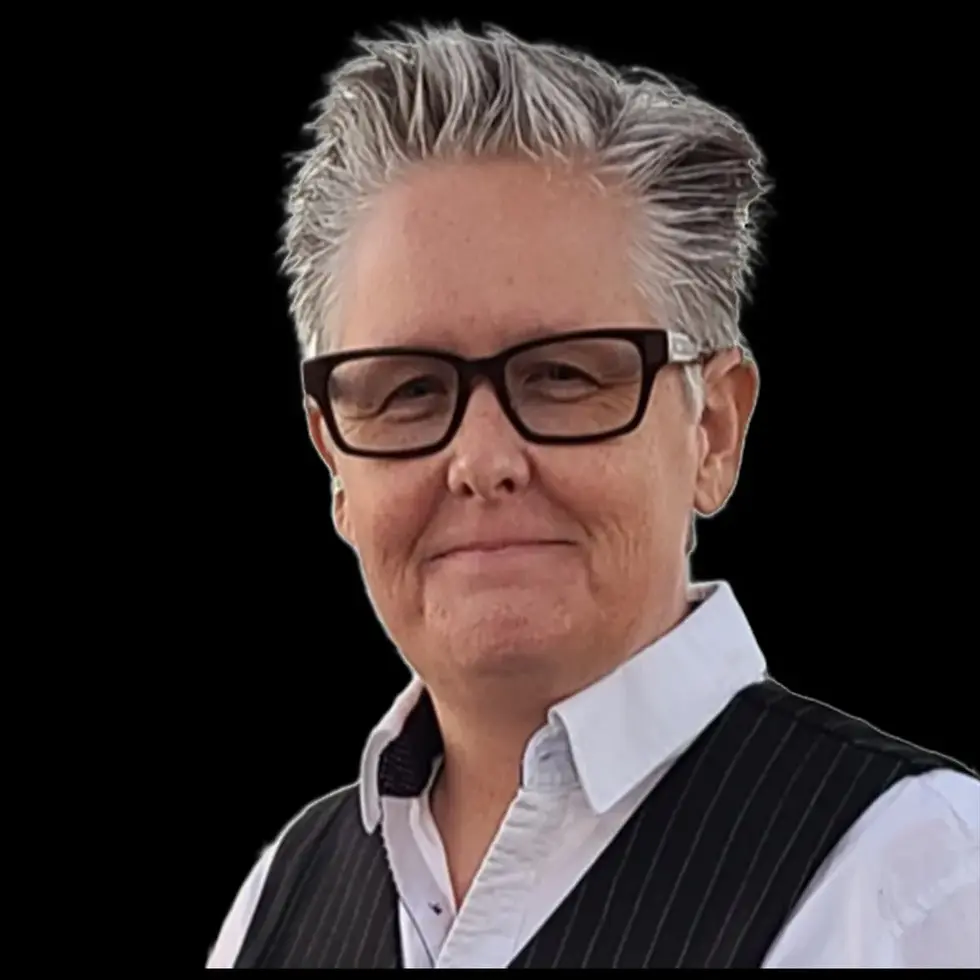
S.A. Sizemore’s debut novel, Whispers of the Pale Witch, begins the Beckett Coven series September 2026 from Rowan Prose Publishing. She is a playwright, member of the Dramatists Guild of America, and a themed entertainment professional, living in Southern California with her wife and two dogs. Find her at www.beckettcoven.com.
Article published in The Relatable Voice Magazine - July 2026. Downolad the full magazine at https://www.relatable-media.com/the-relatable-voice-magazine.



1 Comment