
The RV Book Fair 2026: Interview with Maria Gallucci

Your memoir, "Raised in Silence," shares your experience growing up as a CODA (Child of Deaf Adults). What inspired you to tell your story now?
For years I didn't think my story was anything special because it was just my normal. I assumed everyone's childhood looked a little like mine. It wasn't until I started sharing little stories during speaking engagements and in conversations that people would stop me and say, "I've never thought about life that way before."
That's when I realized this wasn't just my family's story. It was a story about being seen, feeling left out, finding your voice, and learning how to connect with people who are different from you. The world needs more empathy right now, and if sharing my experiences helps even one person become a little more inclusive, then writing the book was worth it.
American Sign Language was your first language. How did growing up between the Deaf and hearing worlds shape your identity?
It shaped every part of who I am. ASL was my first language, so I learned to communicate with my hands before I really learned spoken English. I grew up moving between two worlds every single day, and I became the bridge between them.
It taught me to pay attention to people in ways most of us don't. I learned to read body language, facial expressions, and emotions because communication isn't just about words. Looking back, I realize that growing up between those two worlds gave me one of the greatest gifts I could have received. It taught me how to truly connect with people.
Your book is filled with both humorous and emotional moments. Was there one story that was especially difficult—or especially meaningful—for you to write?
The hardest parts to write were the stories about my mom's illness and losing my dad. Those chapters forced me to relive moments I hadn't thought about in years, and there were definitely days I had to step away from the keyboard.
But one of my favorite stories is about our loud family dinners. People always laugh when I describe what dinner looked like in our house because "quiet" is probably the last word anyone would use. Those stories remind readers that every family has its own beautiful version of normal. I wanted people to laugh, cry, and see that our differences are often what make us memorable.
One of the central messages in your book is "Just Try." How has that simple phrase guided both your personal life and your professional career?
"Just Try" has become the way I live my life. Most people don't avoid something because they can't do it. They avoid it because they're afraid they'll do it wrong. I've watched hearing people avoid signing because they're afraid of making a mistake. I've watched people avoid conversations with someone who is different because they're uncomfortable.
I would rather someone try and get it wrong than never try at all. That's how we learn. That's how we grow. That philosophy has helped me build my business, write a book, step onto stages, and meet incredible people I never would have met if I had let fear make my decisions.
You became an interpreter for your parents at a very young age. Looking back, how did those early responsibilities influence the person you became?
It made me grow up pretty quickly. I was helping with doctor's appointments, banking, real estate, and situations most kids never have to think about.
At the time, I didn't see it as a burden. I just thought that was what families did for each other.
Those experiences taught me responsibility, compassion, and how important clear communication really is. They also taught me to advocate for other people, and I still carry that with me today in both my business and my personal life.
As a successful real estate professional, you continue to advocate for accessibility and inclusion. How do those values influence the way you serve your clients?
My business has never just been about buying or selling houses. It's about making sure every client feels heard, respected, and understood.
Because of how I grew up, I naturally look for communication barriers before they become problems. Whether someone is Deaf, hard of hearing, part of the LGBTQ+ community, relocating from another state, or simply nervous about the process, I want them to know they're in a safe place where they'll be listened to.
People remember how you make them feel long after they forget the transaction.

Many readers may know very little about Deaf culture. What is one misconception you hope your book helps to change?
Probably the biggest misconception is that Deaf people are broken or somehow need to be fixed.
The Deaf community isn't defined by what they can't hear. It's a rich culture with its own language, traditions, humor, and deep sense of community.
I hope readers walk away understanding that Deafness isn't something to pity. It's simply a different way of experiencing the world. Different doesn't mean less.
Your memoir is ultimately about communication, empathy, and belonging. What do you hope readers from all backgrounds will take away after finishing it?
More than anything, I hope people realize this isn't really a book about Deafness. It's a book about people.
Every single one of us has felt misunderstood, left out, judged, or like we didn't quite fit somewhere. That's something we all have in common.
If readers finish the book and become a little more patient, a little more curious, and a little more willing to meet people where they are, then I've accomplished exactly what I hoped to do.
Throughout your journey, were there individuals who encouraged you to embrace your unique voice and share your experiences with the world?
Absolutely. My family gave me the experiences that shaped me, but so many friends, colleagues, and people I met along the way kept telling me, "You have to write this book."
For a long time, I didn't think anyone would care about my story because I had lived it every day. It took other people seeing value in those experiences before I finally believed it myself.
I'm grateful they kept encouraging me because sometimes other people can see your purpose before you can.
Maria Gallucci is a multi-award-winning real estate broker, best-selling author, and advocate for inclusive communication and accessible housing. With over 30 years of experience, she serves Deaf, Hard of Hearing, LGBTQ+, and diverse communities nationwide.
A CODA (Child of Deaf Adults), Maria learned American Sign Language before English and helped her parents purchase their first home at age 12, inspiring her mission to support underrepresented clients.
She founded Uptown Realty Group, Gallucci Homes, ASL @ Compass, and ASL Realty. A top-producing Compass agent, Maria ranks among the top 1.5% of REALTORS® nationwide and is the author of Raised in Silence. Find out more at https://raisedinsilence.com.

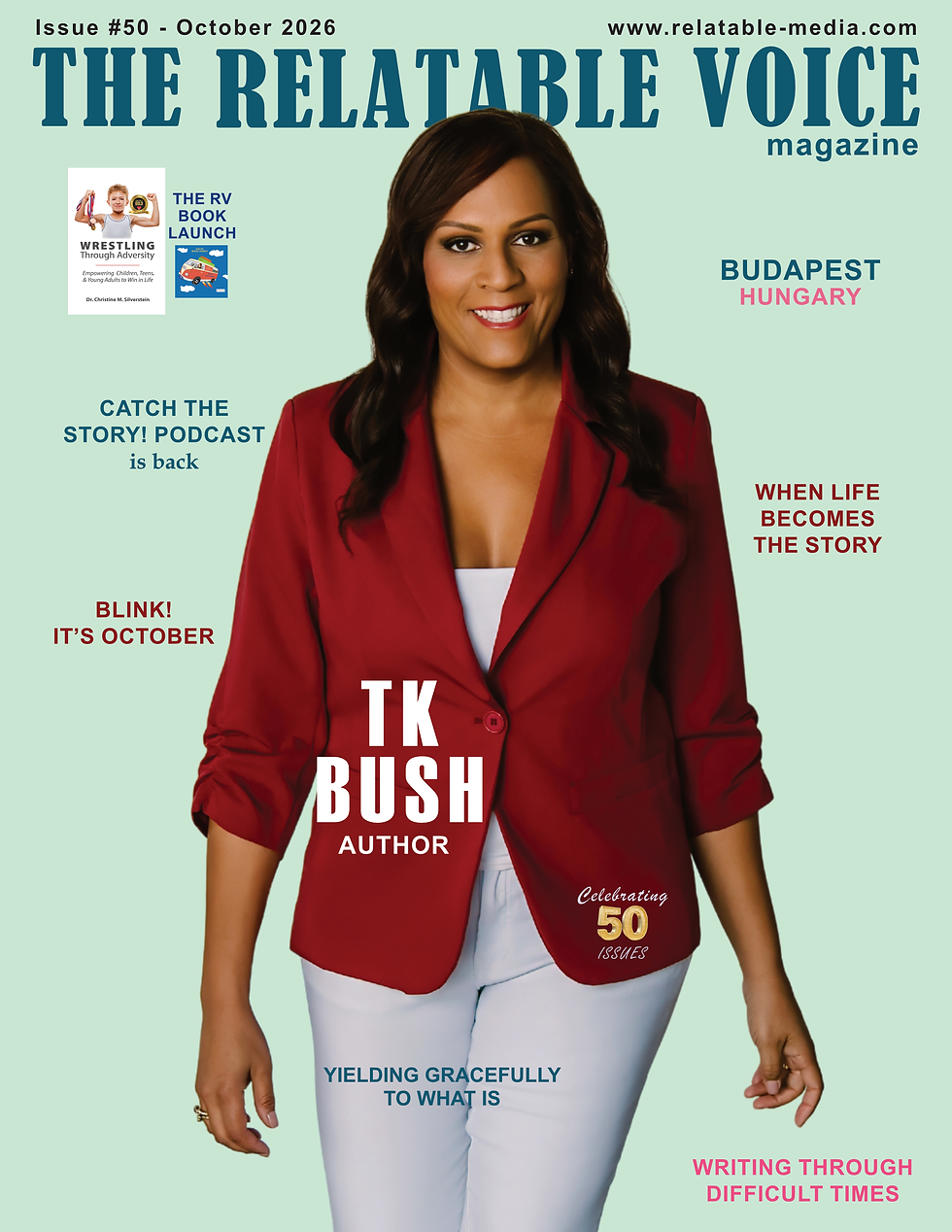
Interview published in The Relatable Voice Magazine - The RV Book Fair 2026 - Special. Download the full magazine for free at The RV Book Fair | Relatable Media.


Comments